Avatar.One vs Status AI
Deciding between Avatar.One and Status AI? This comparison focuses on the details that actually separate these ai girlfriends and character ai chat bots tools, from filters and pricing to memory, customization, and overall fit.
Both tools overlap on roleplay.

Avatar.One
AI GirlfriendsAvatar.One lets users build immersive 3D AI girlfriends with animated avatars, live voice, saved memories, and roleplay-driven relationship chat.
Distinct 3D avatar experience versus text-first competitors
Watch for: 3D layer matters more than pure writing quality
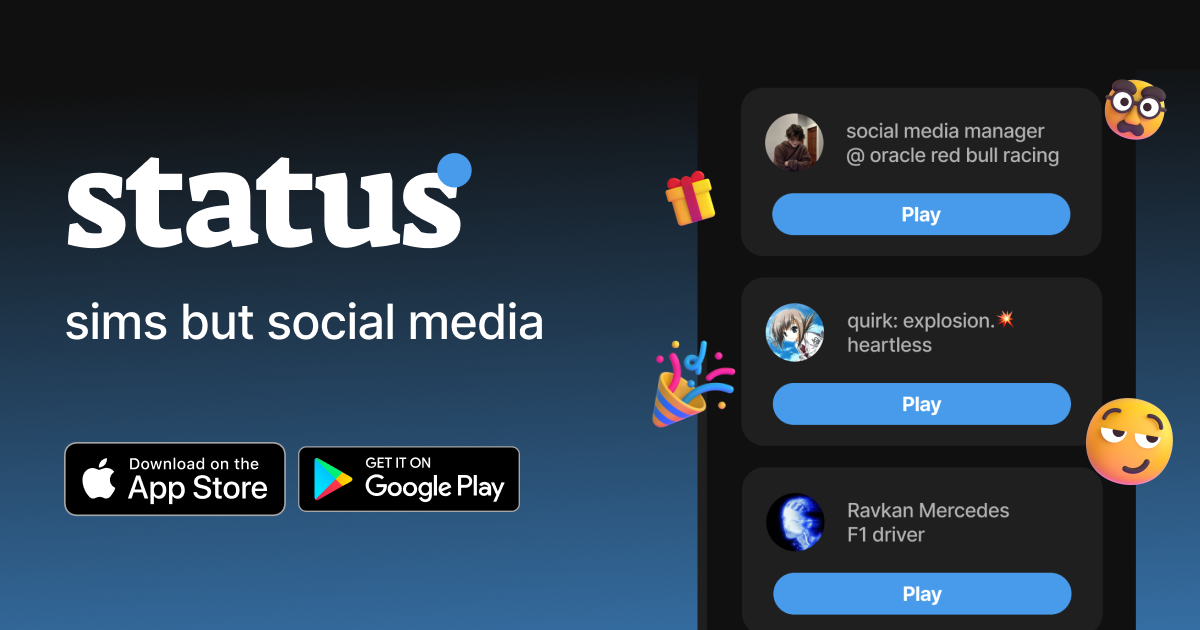
Status AI
Character AI Chat BotsStatus AI turns character chat into a social, fandom-style experience where bots react to posts, DMs, relationship changes, and ongoing story drama.
Feels more social than a normal chatbot
Watch for: Not ideal if you want a pure one-on-one companion
Practical Comparison Snapshot
Structured feature metadata is limited for this pair, so this section compares the more useful signals we actually have: who each tool is for, what it does best, and the main tradeoff to keep in mind.
| Feature Set | Avatar.One | Status AI |
|---|---|---|
| Best suited for | Distinct 3D avatar experience versus text-first competitors | Feels more social than a normal chatbot |
| Standout capabilities | 3D Avatar, Live Voice, and Memory | Social Feed, Fandom, and DMs |
| Main tradeoff | 3D layer matters more than pure writing quality | Not ideal if you want a pure one-on-one companion |
What They Have in Common
Both platforms overlap on a few core strengths, which is why they appeal to similar users in the first place.
What Will Decide It
On paper these tools are close, so interface preference, bot ecosystem, and overall product feel matter more than headline spec differences.
Who Should Choose Avatar.One?
Choose Avatar.One if you care most about distinct 3d avatar experience versus text-first competitors, with extra emphasis on 3d avatar, live voice, and memory.
- Distinct 3D avatar experience versus text-first competitors
- Supports memory and live voice for more presence
- Good fit for users who want a more visual AI girlfriend experience
- 3D layer matters more than pure writing quality
- Some users will prefer simpler text-first interfaces
Who Should Choose Status AI?
Choose Status AI if you care most about feels more social than a normal chatbot, with extra emphasis on social feed, fandom, and dms.
- Feels more social than a normal chatbot
- Great for fandom-style ongoing scenarios
- Interesting mix of posts, DMs, and character interaction
- Not ideal if you want a pure one-on-one companion
- Can feel gimmicky to non-fandom users
Final Expert Verdict
Both Avatar.One and Status AI are top-tier platforms. We recommend Avatar.One for distinct 3d avatar experience versus text-first competitors while Status AI stands out for feels more social than a normal chatbot. Both offer exceptional value for AI enthusiasts.
Frequently Asked Questions
Q: Is Avatar.One better than Status AI?
A: It depends on your needs. Avatar.One is stronger for distinct 3d avatar experience versus text-first competitors, while Status AI stands out more for feels more social than a normal chatbot.
Q: What is the biggest difference between Avatar.One and Status AI?
A: Avatar.One and Status AI overlap on the basics, so the choice mostly comes down to ecosystem fit and which product style you prefer.
Q: Does Avatar.One allow NSFW content?
A: This listing does not include explicit NSFW policy metadata for either tool, so you should verify the current content rules directly on Avatar.One and Status AI before choosing.
Q: Which is cheaper, Avatar.One or Status AI?
A: The current dataset does not include structured pricing metadata for this pair, so the safer comparison is workflow fit and ownership tradeoffs rather than exact plan structure.
Q: Who should pick Avatar.One instead of Status AI?
A: Choose Avatar.One if you care more about distinct 3d avatar experience versus text-first competitors, especially around 3d avatar, live voice, and memory.
Explore More AI Comparisons
Save & Share This Page
Found a useful AI tool? Save this directory or share it with your network to help others discover the future of AI.